View a trusted research-use source for the KLOW peptide blend , GHK-Cu, BPC-157, TB-500, KPV,. I agree that products and information on this website are provided for laboratory research use only and are not intended for use in or on humans or animals. When combined (they create a coordinated regenerative signal that promotes healing across skin), muscle, connective tissue, gut lining, and vascular systems. For the other compounds, the general peptide calculator covers the same arithmetic. There are no clinical photos, no measured timeline and no controlled comparison for the combination of BPC-157, TB-500, GHK-Cu and KPV.
GHK-Cu dominates the blend at 62.5% because it requires higher doses to achieve its collagen-stimulating where to buy MOTS-c effects — while the other three are active at lower concentrations. This content is for educational purposes only and is not intended as medical advice. No standardized human dose (frequency), cycle length, or maintenance regimen has been established for the combined KLOW blend.
A peptide dose calculator can be utilized to swiftly and precisely convert mg into specific syringe units. Some users report reduced stiffness and improved mobility over time. By proceeding (you acknowledge that you will not disclose or redistribute this website), its links, or any associated content. Refer to Topical Administration for a compilation of synergistic and compatible ingredients found in skincare products. Reactions at the injection site (ISRs) may manifest as redness (swelling), bruising, pain, or the formation of a knot beneath the skin, potentially lasting for several days. Loading phase , 5x/week, for 4 weeks, then maintenance (3x/week) for the remaining weeks.
Individual peptides give more control over exact doses and injection sites. Community protocols document adding 2 mL of bacteriostatic water to the 70mg vial, yielding 35 mg/mL. Community protocols describe gentle swirling — not shaking — to avoid degradation, with storage at 2–8°C and use within 28 days. For protocol-focused research (including dosing schedules), reconstitution math, and cycle structure, Peptide Advisors does not publish protocols.
Bioavailable curcumin — anti-inflammatory layer that pairs with healing-stack protocols. BD Ultra-Fine 31G 0.3cc insulin syringes, each gradation marks 1 unit, for accurate sub-50-unit the Klow blend doses. Hand-picked storage (injection), and recovery supplies paired with Klow Blend protocols. GHK-Cu’s collagen remodeling becomes visible by weeks 4-8.
If you are 3 weeks in and noticing nothing, check your source quality before assuming the blend is not working. Most people start seeing the “glow” around weeks 4 to 6, with peak skin improvements at 8 to 12 weeks. During the first 1 to 2 weeks, the anti-inflammatory effects kick in first. TB-500 benefits from a loading phase, so the first 2 weeks at daily dosing followed by 3x/week maintenance is a reasonable protocol.
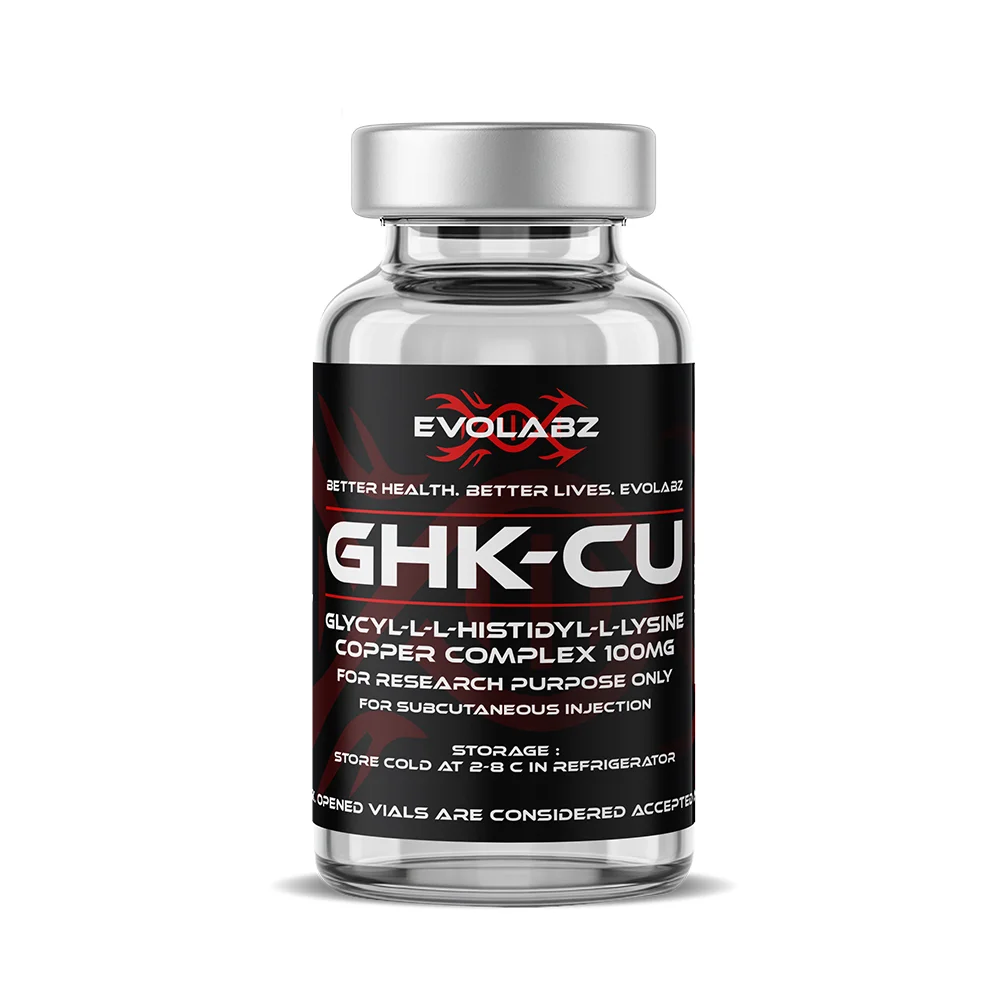
Cycling at the same doses (commonly 4-6 weeks on followed by 2-4 weeks off), is vendor and community practice with no study behind it. A typical cycle lasts 4 to 8 weeks — followed by an equal period of time off. At standard research doses — an 80mg vial covers roughly 3 to 4 weeks. Most protocols recommend 4-6 weeks on, followed by 2-4 weeks off. The KPV component tends to produce the fastest noticeable effect , days, not weeks, because NF-kB inhibition works quickly.
Generally, protocols initiate with a daily blend dosage of 2 mg, gradually increasing to 4 to 6 mg. No research has quantified it, and it remains unknown which ingredient might be responsible. The figures listed below are commonly reported by users and online protocols. No research has evaluated KLOW on humans, thus there is no established dosage.
Individual components , BPC-157, GHK-Cu, KPV, TB-500, each have preclinical rationale supporting their combined use for tissue repair and inflammation. A first-in-human Phase I study of IV recombinant thymosin beta-4 in healthy Chinese volunteers , 54 single-dose, 30 multiple-dose, established basic tolerability . An earlier study there tied faster tendon outgrowth to FAK-paxillin signaling in rat tendon fibroblasts . Pickart’s work identified at least 4,000 human genes that GHK-Cu raises or lowers, including antioxidant enzymes like superoxide dismutase. The typical community protocol runs 2000mcg total blend per day for 10 weeks, followed by 4 weeks off. That said, the individual ingredient data is real.
WADA’s list names thymosin beta-4 and its derivatives (including TB-500), as banned. In sports, BPC-157 is prohibited at all times as an unapproved substance. No one has published a study of KLOW itself.
Whether that division survives contact with real pharmacology is unproven, but it is the reason people give for running both rather than picking one. BPC-157 and TB-500 are both prohibited by WADA at all times, in and out of competition, under S0 , non-approved substances,. There is no study of an injected four-peptide blend on hair growth in humans, and the leap from “copper peptides appear in shampoos” to “KLOW regrows hair” is not supported. The reports nonetheless describe gut comfort as one of the earliest changes noticed, often inside one to two weeks. For how the individual compounds compare — see our guide to peptides for injury recovery.
Systemic side effects reported in the first days include mild headache (flushing), transient fatigue and occasional nausea. Likewise (GHK’s gene-expression breadth invites lifespan claims), yet no lifespan study of GHK, GHK-Cu or KLOW exists in any species. No KLOW study has ever reported outcomes by sex, because no KLOW study exists.
The Klow Dosage Chart outlines the titration schedule and provides a breakdown of the per-injection components for the klow peptide blend (GHK-Cu, KPV, BPC-157, and TB-500), featuring precise syringe units based on the standard 80 mg reconstitution. Most TB-500 formulations feature the brief LKKTETQ sequence (residues 17 to 23), which is crucial for binding actin and facilitating cell migration, hence its marketing for tendon, muscle, and wound healing. Typically, reported protocols recommend administering in a fasted state with a focus on gut endpoints, as well as in the evening for dermatological endpoints. Always utilize bacteriostatic water (BAC).